
Top Waterproofing Products to Protect Your Home and Foundations
Discover the leading waterproofing solutions designed to prevent leaks, moisture damage, and ensure long-lasting protection.
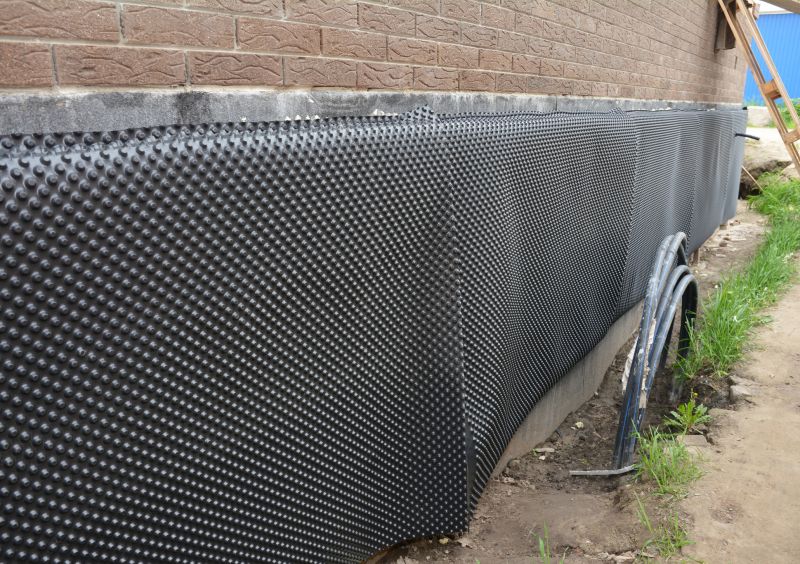 Waterproofing products play a vital role in protecting structures from moisture intrusion, which can lead to damage, mold growth, and structural deterioration. Whether applied to foundations, roofs, basements, or interior surfaces, choosing the right waterproofing solution is essential for maintaining the integrity and longevity of a building. In Shawano, WI, where seasonal weather fluctuations can challenge building durability, selecting effective waterproofing products is particularly important. These products come in various forms, including sealants, membranes, coatings, and barriers, each suited to specific applications and surfaces.
Top Overall Option
Liquid Waterproofing Membrane
A liquid waterproofing membrane offers a seamless, flexible barrier that can be applied to various surfaces such as foundations, roofs, and decks. Its ease of application and ability to conform to complex shapes make it a versatile choice for many projects. When properly applied, it provides a durable layer that resists water penetration and weathering, making it suitable for different environmental conditions. This type of product is often favored for its adaptability and comprehensive coverage, especially in areas with irregular surfaces or detailed architectural features.
Types of Products For Waterproofings
Bituminous Membranes
Bituminous membranes are self-adhesive or torch-applied sheets used primarily for roofing and foundation waterproofing, offering a durable and flexible barrier against moisture.
Liquid Rubber Coatings
These coatings are applied as liquids and cure to form a seamless, rubber-like waterproof layer suitable for roofs, basements, and decks.
Polyurethane Sealants
Polyurethane sealants are versatile and flexible, ideal for sealing joints, cracks, and gaps in various surfaces to prevent water intrusion.
Acrylic Waterproof Coatings
Acrylic coatings are water-based and easy to apply, providing a protective layer for exterior walls and roofs against moisture.
Cementitious Waterproofing
Cement-based waterproofing products are commonly used in basement walls and tunnels, offering a durable barrier when mixed with water and applied to masonry surfaces.
Spray-On Waterproofing
Spray-on solutions are quick to apply over large areas, creating a uniform waterproof barrier suitable for roofs, decks, and foundations.
Sheet Membranes
Preformed sheets, often made of rubber or asphalt, are used for foundation and roof waterproofing, providing a physically robust barrier.
Bitumen Coatings
Bitumen-based coatings are applied as liquids or paints to surfaces needing waterproof protection, especially in roofing and below-grade walls.
Polyethylene Barriers
Polyethylene sheets are used as vapor barriers or for waterproofing crawl spaces and basements, offering a simple yet effective solution.
Polyurea Coatings
Polyurea coatings cure rapidly and provide a highly resistant waterproof layer suitable for industrial and commercial applications.
Crystalline Waterproofing
Crystalline products penetrate concrete surfaces to form a waterproof barrier from within, ideal for foundation waterproofing.
Hydrostatic Waterproofing Membranes
Designed to withstand hydrostatic pressure, these membranes are suitable for below-grade applications where water pressure is significant.
Flexible Flashing Tapes
Used to seal joints, seams, and flashing details, these tapes provide an additional waterproofing layer in roofing and wall assemblies.
Waterproofing Paints
Waterproofing paints are easy to apply on walls and surfaces to repel water and prevent moisture penetration.
Vapor Barriers
Vapor barriers are installed to control moisture movement within walls, floors, and ceilings, reducing condensation and water damage.
Resin-Based Coatings
Resin coatings offer chemical and water resistance, suitable for industrial floors and areas exposed to harsh conditions.
Popular Choices
These coatings are favored for their seamless application and flexibility, suitable for roofs and decks exposed to water.
Commonly used for foundation and roof waterproofing, these membranes provide a reliable moisture barrier.
Versatile and easy to apply, polyurethane sealants are popular for sealing joints and cracks in various surfaces.
Popular for exterior walls, these coatings are valued for their ease of application and protective qualities.
A common choice for below-grade walls and tunnels, offering durable protection against water ingress.
Ideal for large or irregular surfaces, these membranes provide quick and uniform waterproof barriers.
Preformed sheets are often used in foundation waterproofing for their durability and ease of installation.
Known for rapid curing and high resistance, polyurea coatings are trending for industrial waterproofing applications.
This internal waterproofing method is gaining popularity for foundation protection due to its penetrating properties.
Designed to withstand water pressure, these membranes are frequently used in basement waterproofing projects.
A simple and accessible option for exterior walls, providing a water-resistant surface coating.
Essential in many construction projects, vapor barriers help control moisture movement within building assemblies.
Resin-based coatings are popular for industrial floors requiring chemical and water resistance.
Widely used in roofing and wall sealing, these tapes help prevent water infiltration at joints.
A traditional waterproofing solution, especially valued for its durability in harsh conditions.
Affordable and easy to install, polyethylene sheets are common for vapor barriers and temporary waterproofing.
Proper application of waterproofing materials requires understanding the unique needs of the project, such as surface type, exposure conditions, and desired longevity. For example, liquid membranes can provide seamless coverage over irregular surfaces, while sheet membranes are often used for larger areas requiring a durable barrier. Sealants and caulks can fill small cracks and joints, preventing water ingress at vulnerable points. Additionally, surface coatings can be applied to exterior walls and roofs to create a protective layer that repels water and resists weathering.
In Shawano's climate, it is also important to consider the product's resistance to temperature variations and freeze-thaw cycles. Using high-quality waterproofing products can help mitigate issues caused by snow, rain, and fluctuating temperatures. Proper surface preparation and adherence to manufacturer instructions are crucial steps to ensure optimal performance. Consulting with local experts can provide valuable insights into the most suitable waterproofing solutions for specific building types and environmental conditions in Wisconsin.
Ultimately, investing in the right waterproofing products can contribute to the long-term preservation of properties, reducing maintenance costs and preventing water-related damages. Whether for new construction or renovation projects, understanding the options available and their applications is key to making informed decisions that meet the specific needs of properties in Shawano, WI.
Key Buying Considerations
- Application surface compatibility: Ensure the product is suitable for the specific material, such as concrete, wood, or metal.
- Climate resistance: Choose products designed to withstand temperature fluctuations, moisture, and weather exposure common in Shawano, WI.
- Type of waterproofing: Determine whether a liquid, sheet, or coating product best fits your project needs.
- Durability and lifespan: Consider the expected longevity of the product in the intended environment.
- Ease of application: Evaluate whether the product can be applied with available tools and skills, and consider DIY versus professional installation.
- Flexibility: For areas subject to movement or expansion, select flexible waterproofing solutions.
- Resistance to hydrostatic pressure: For below-grade or basement applications, ensure the product can handle water pressure.
- Compatibility with existing materials: Confirm that the waterproofing product adheres well to surfaces being treated.
- Environmental resistance: Look for products that resist UV rays, chemicals, and other environmental factors relevant to your location.
- Cost and budget: Balance quality and cost to select an effective solution within your financial plan.
- Maintenance requirements: Consider the ongoing maintenance or reapplication needs of the product.
- Regulatory compliance: Verify that the product meets local building codes and standards.
- Application thickness: Check recommended thickness for optimal waterproofing performance.
- Curing time: Be aware of how long the product takes to fully cure before exposure to water or traffic.
- Warranty and support: Look for products with manufacturer support and warranty options for peace of mind.