
Optimal Timing for Waterproofing Projects
Proper timing for waterproofing projects ensures optimal results and longevity. The most suitable periods are typically during mild weather conditions with low humidity and stable temperatures. This allows materials to cure properly and adhere effectively, reducing the risk of future leaks or damage.
Spring offers moderate temperatures and lower precipitation, making it ideal for waterproofing projects before the heavy rains of summer.
Summer can be suitable if weather conditions are dry and temperatures are not excessively high, which can affect curing times.
Fall provides cooler weather and less humidity, creating favorable conditions for waterproofing before winter.
Winter is generally not recommended due to freezing temperatures and snow, which can hinder application and curing processes.
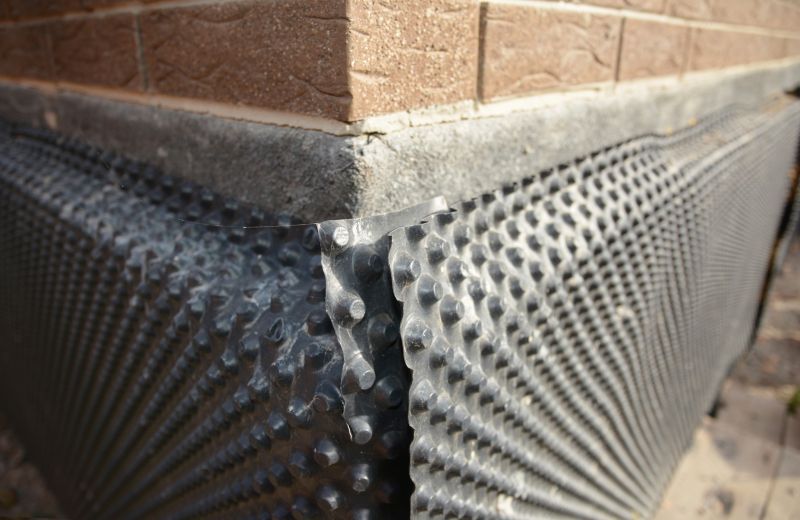
A professional applying waterproofing membrane on a building foundation.
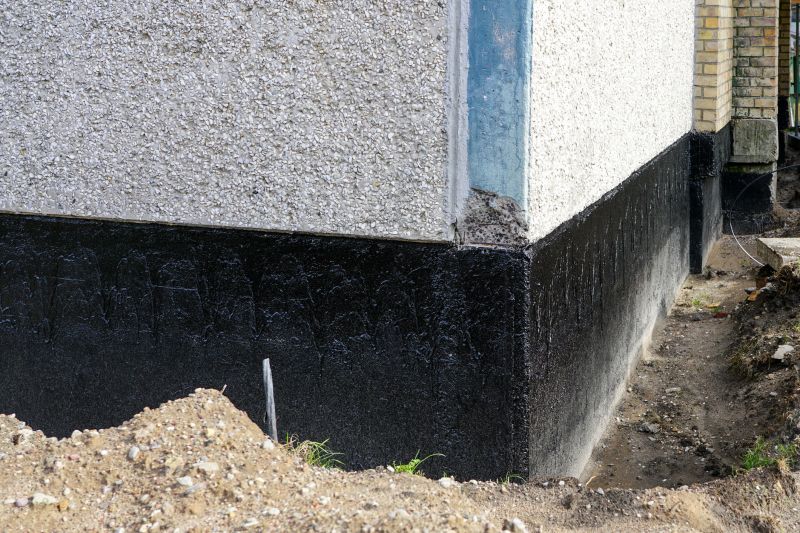
Surface preparation prior to waterproofing installation.
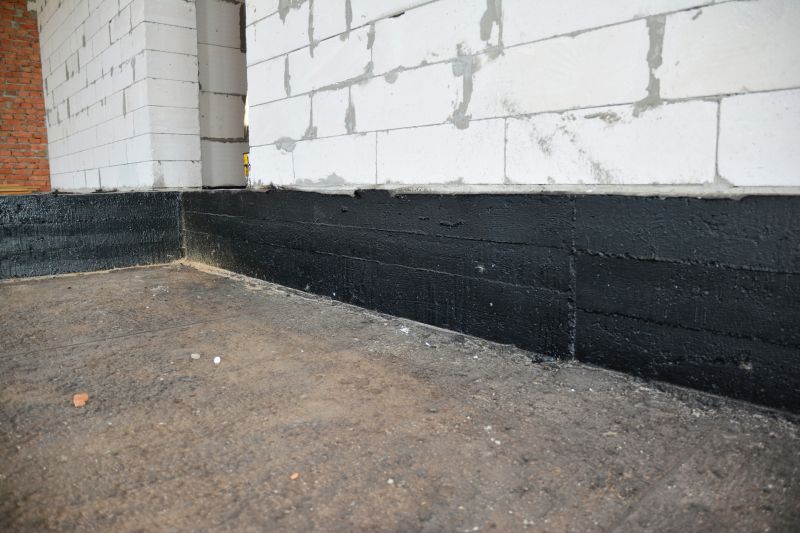
Completed waterproofing layer on a basement wall.
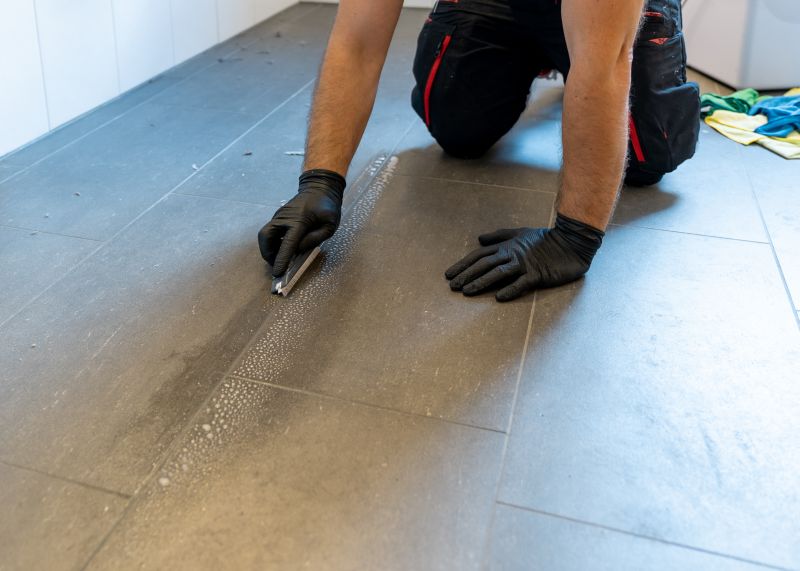
Ways to make Waterproofings work in tight or awkward layouts.
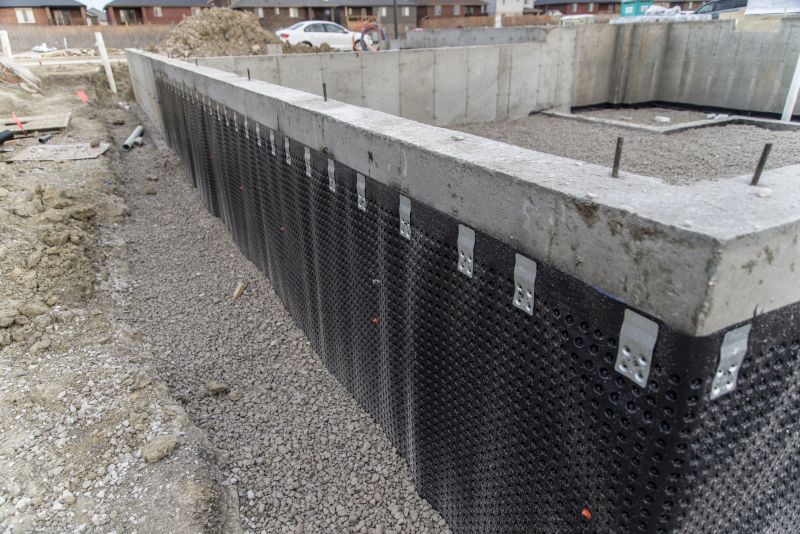
Popular materials for Waterproofings and why they hold up over time.
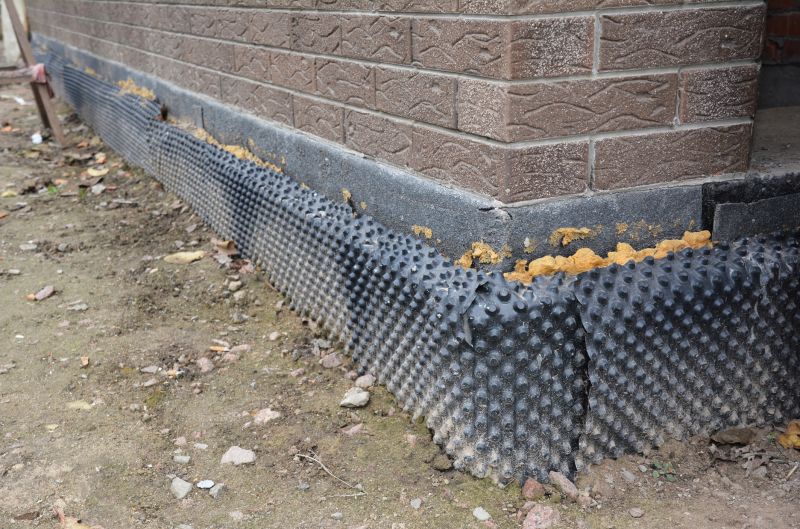
Simple add-ons that improve Waterproofings without blowing the budget.
| Season | Ideal Conditions |
|---|---|
| Spring | Moderate temperatures, low humidity, stable weather |
| Summer | Dry weather, moderate temperatures |
| Fall | Cooler temperatures, less humidity |
| Winter | Freezing temperatures, snow, not recommended |
Waterproofings are essential for protecting structures from water intrusion, which can lead to structural damage, mold growth, and reduced property value. Modern waterproofing materials include liquid membranes, sheet membranes, and sealants, each suited for different applications. Proper application during the appropriate season enhances durability and effectiveness, preventing costly repairs in the future.
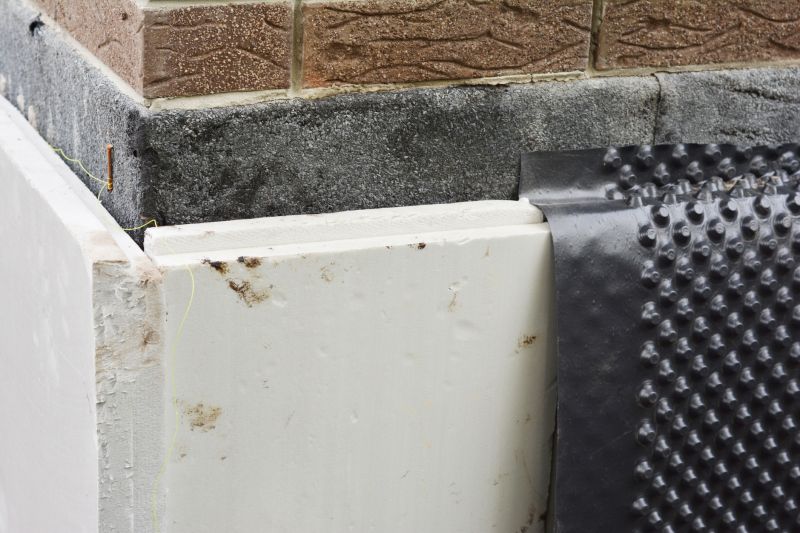
Different types of waterproofing membranes used in construction.
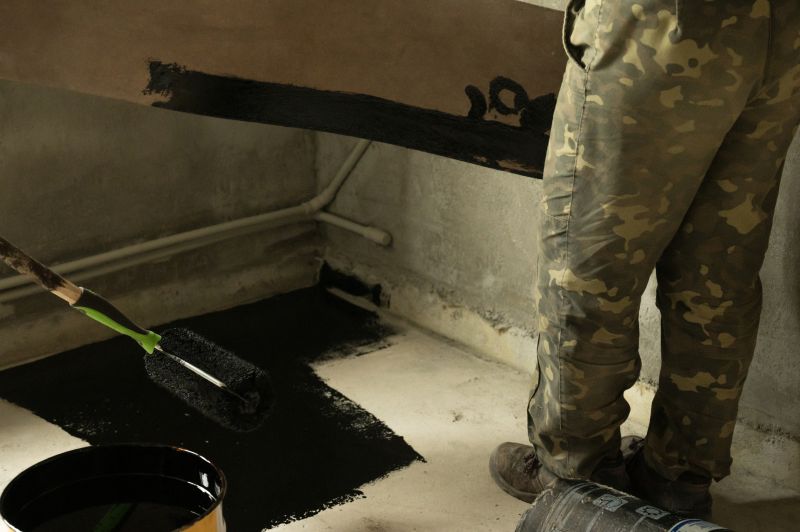
Spraying and rolling methods for waterproofing layers.
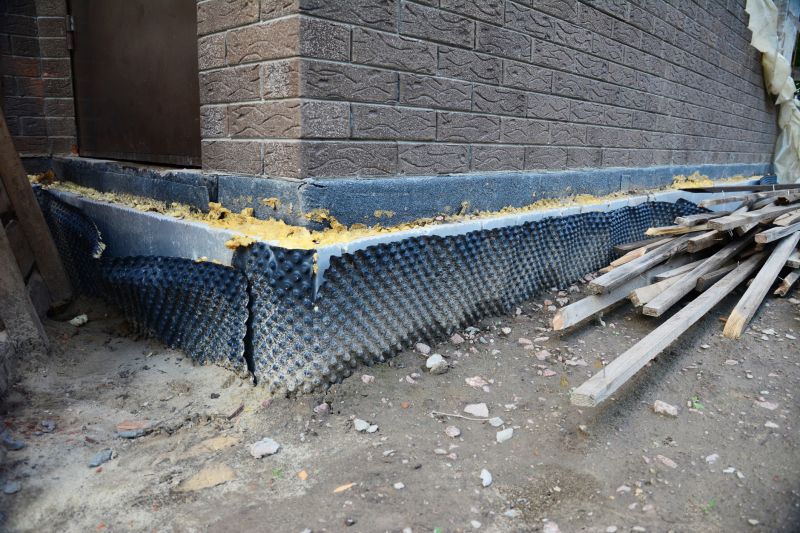
Regular checks to ensure waterproofing integrity.
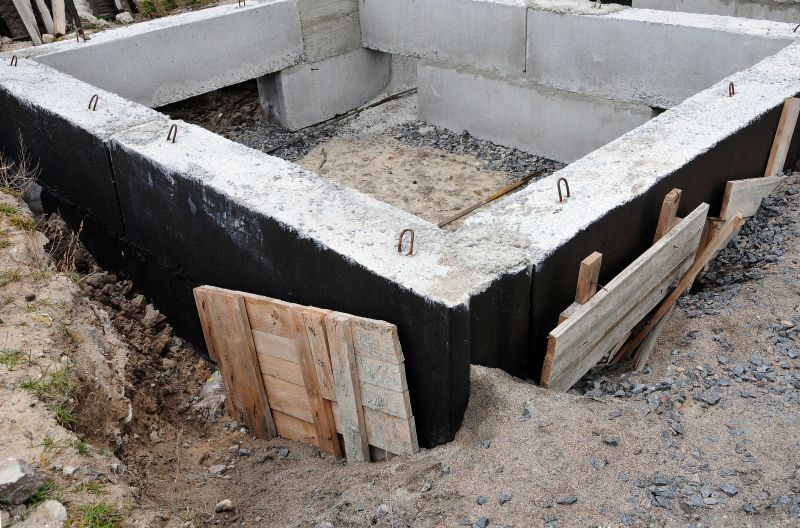
Waterproofing applied on foundations and basements.
Interested in waterproofing services? Filling out the contact form can provide more information and assistance in scheduling an application during the optimal season for best results.